Coptic Wool-Weaves with Patterns in Undyed Linen
Sample pages
Page 13, at reduced quality. Open the document to read every page in full.
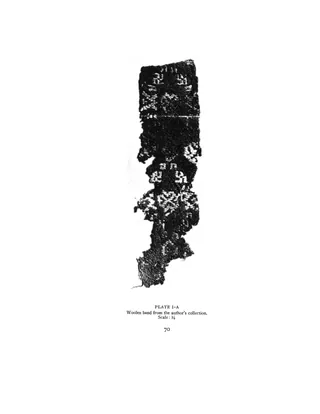
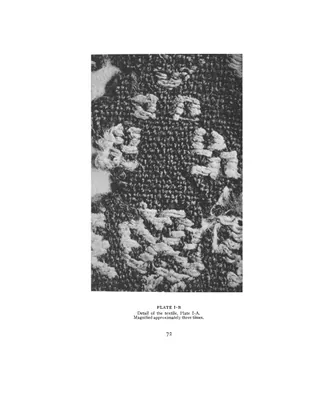
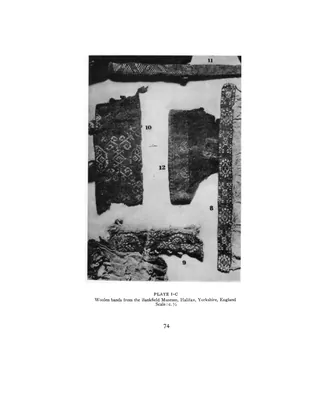
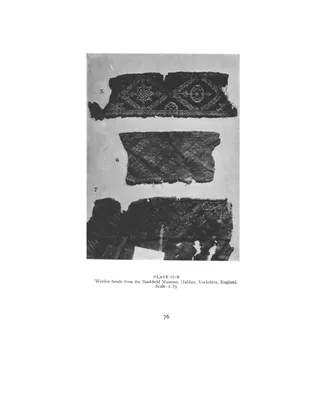
R. J. Charleston studies Coptic Egyptian woolen bands woven of blue or red wool with patterns in undyed linen, used as tunic ornaments in the 6th to 8th centuries. He describes their structure (plain-weave wool ground with brocaded linen pattern weft), yarn twists, thread counts and selvedges, and reports a full dissection of one piece in his own collection. He argues against embroidery and hand-brocading and concludes that the bands were made on a draw-loom, comparing their motifs with contemporary Egyptian silks. The article has plates of bands from the Bankfield Museum, Halifax, a technical diagram and pattern charts, a descriptive list of the pieces with thread counts, and extensive notes.
- Type
- Article
- Date
- 1946
- Language
- English
- Pages
- 25
(A free account is all you need)
From Ralph Griswold's Digital Archive, delivered by the University of Arizona.
Have missing pages or a better copy of this document, or another document to share? Contributing documents »