Plangi Technique
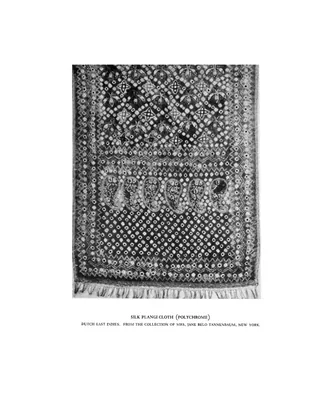
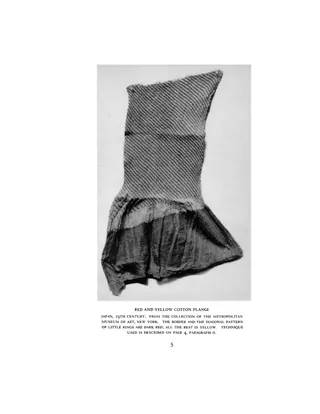
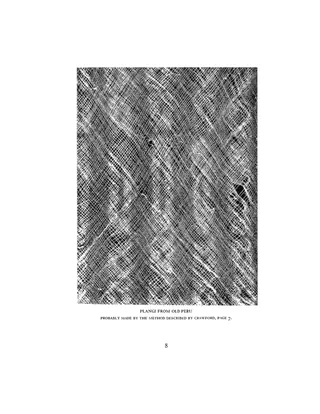
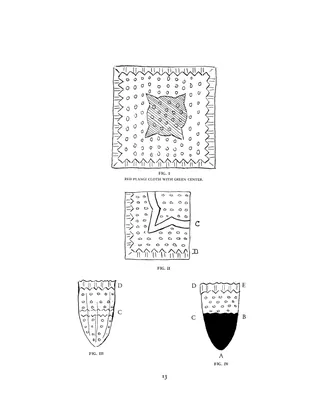
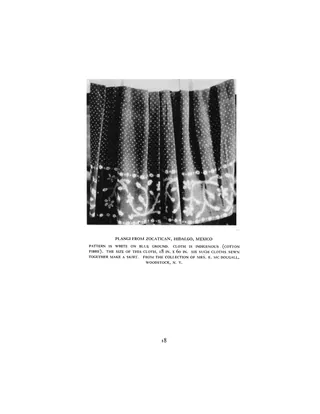
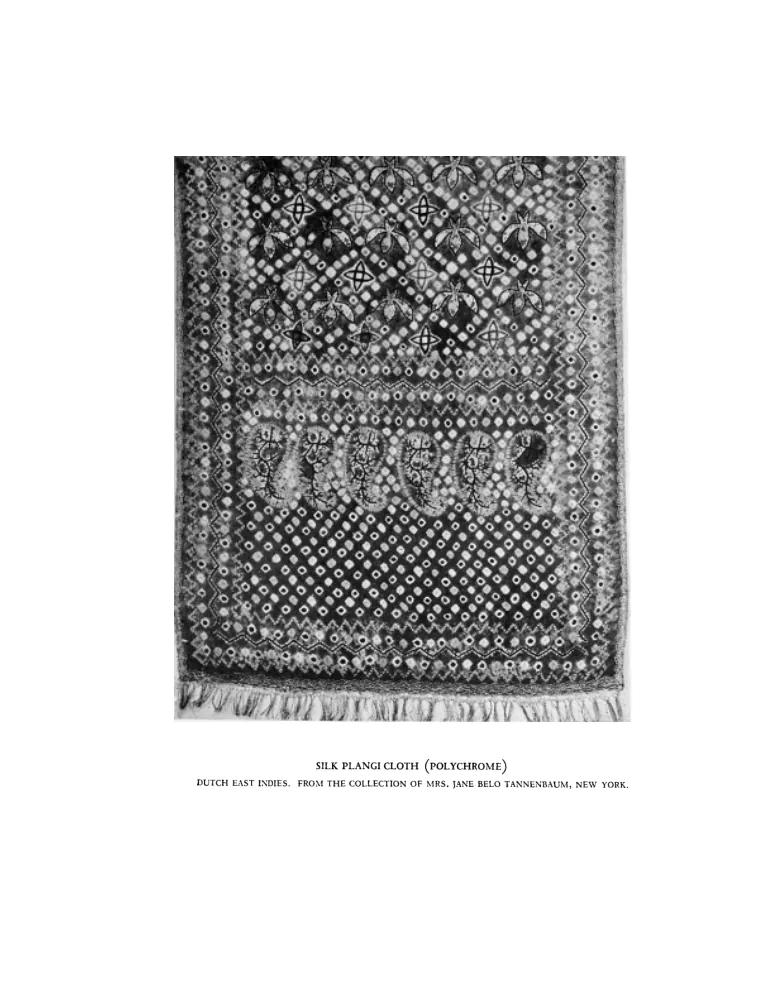
Charles Iklé's article surveys plangi, the tie-and-dye resist technique in which cloth is gathered, bound and then dyed. It compares plangi with ikat and batik, then describes the main methods: pebble-and-thread puckering in Java, Indian bandhana work, West African pleat-and-tie, and an ancient Peruvian rolled-cloth method. It also covers related resist methods such as shirring, sewn cords, leaf and bamboo resists, and the Japanese kyokechi zome. A step-by-step account of making a two-color silk plangi cloth in Samarang, Java is followed by notes on ancient examples and the present-day distribution of plangi worldwide, with maps and a bibliography. It is illustrated with photographs of cloths from the Dutch East Indies, Japan, Peru, Mindanao and Mexico, plus process diagrams.
- Type
- Article
- Date
- 1941
- Language
- English
- Pages
- 22