Byzantine Textiles
Sample pages
Page 2, at reduced quality. Open the document to read every page in full.
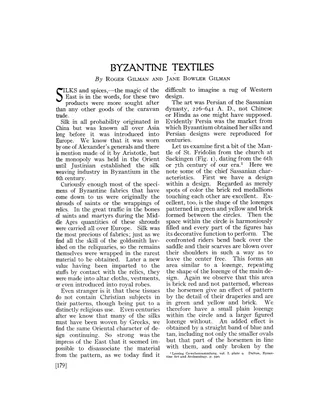
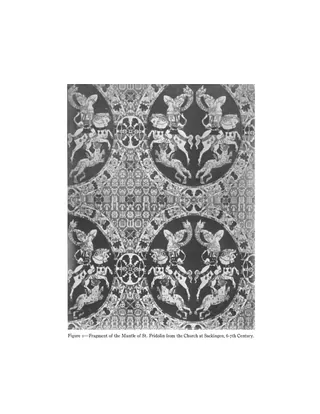
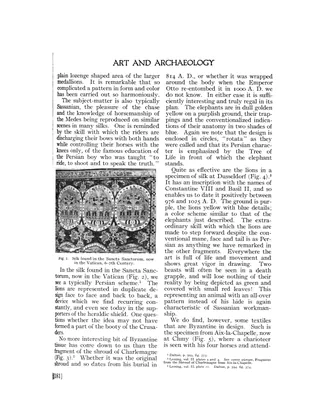
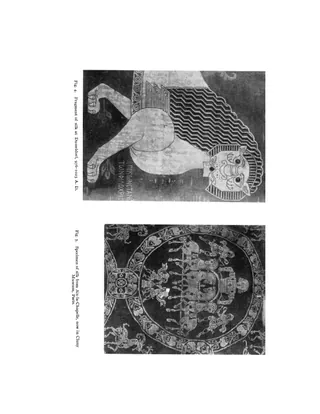
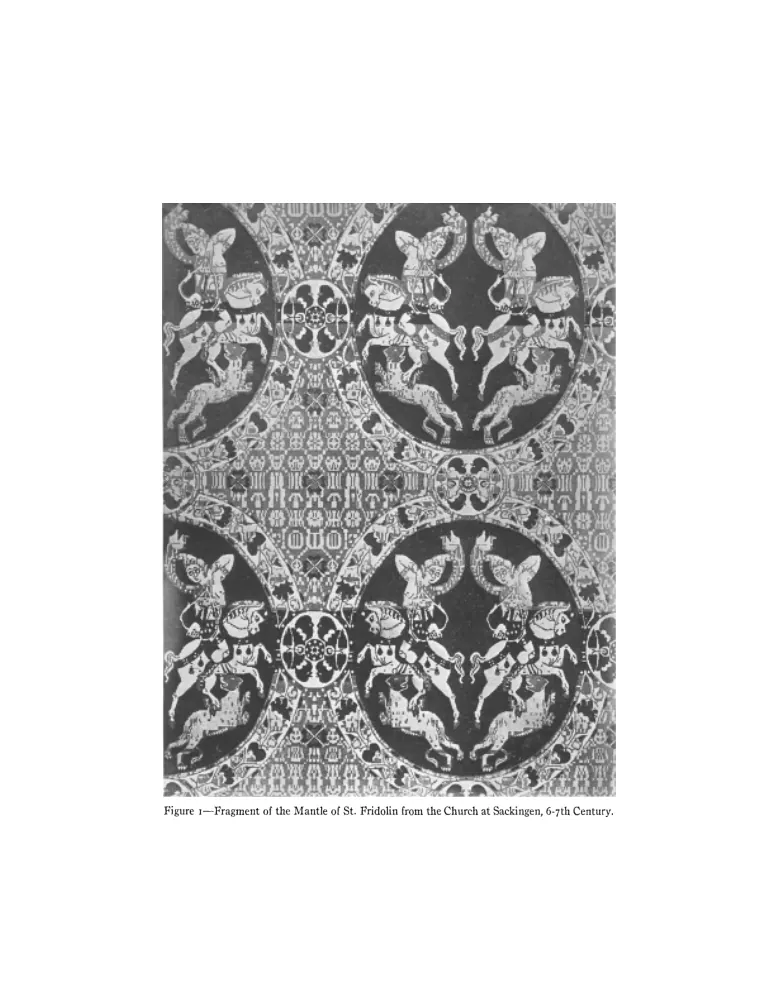
A short illustrated article on Byzantine silk textiles, surveying surviving fragments that were mostly used as shrouds of saints or relic wrappings. It discusses their Sassanian Persian design character, including medallion layouts, paired confronted animals and all-over repeating patterns, and examines pieces such as the Mantle of St. Fridolin, the Sancta Sanctorum silk, the shroud of Charlemagne, the Dusseldorf lion silk and the Aix-la-Chapelle charioteer silk. It also traces how silk weaving and its designs spread from Byzantium to Sicily, Italy and France.
- Type
- Article
- Date
- 1922
- Language
- English
- Pages
- 5
(A free account is all you need)
From Ralph Griswold's Digital Archive, delivered by the University of Arizona.
Have missing pages or a better copy of this document, or another document to share? Contributing documents »