Late-Antique Tapestry Medallion
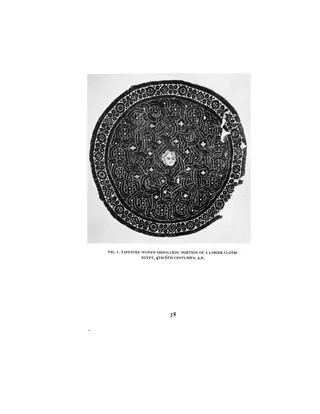
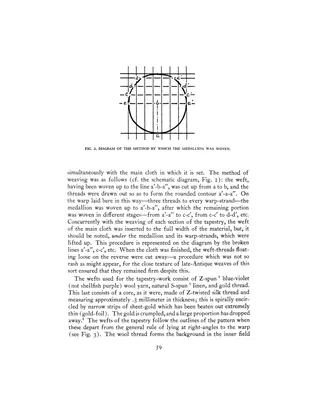
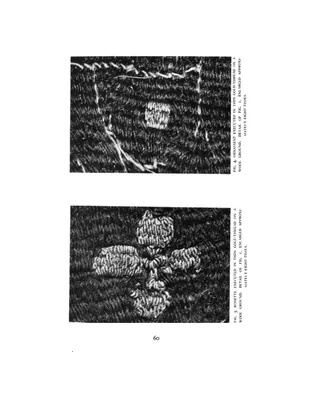
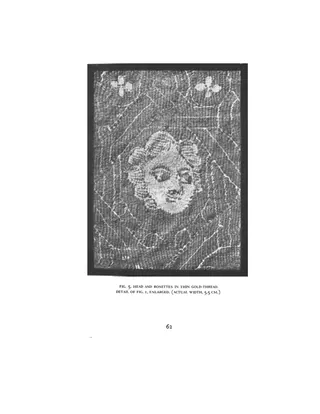
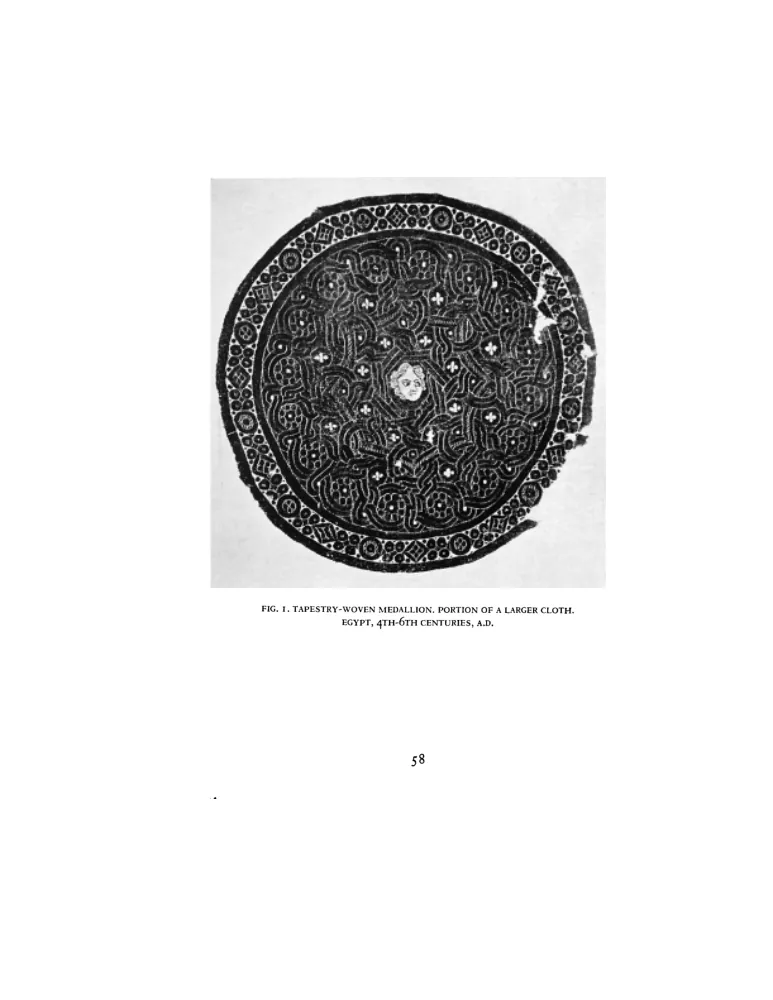
Vivi Sylwan describes a tapestry-woven medallion with a human head, found in Egypt and dated to the 4th-6th centuries, that has real gold thread woven into a linen and wool ground. She covers its construction (S- and Z-spun yarns, warp-strands, the method of weaving the medallion in stages with the main cloth, and the 'flying needle' technique), its design, and its probable Hellenistic-Egyptian origin. The second half is a history of gold thread. It draws on classical and biblical sources, compares gilt membrane thread (aurum filatum) with real gold strip thread (aurum tractitium), and discusses Byzantine, Cyprian, Syrian and Chinese practice. It ends with a bibliography and notes. The article was translated by R. J. Charleston from a 1932 Swedish museum yearbook.
- Type
- Article
- Date
- 1947
- Language
- English
- Pages
- 15