Bobbins of Belgium
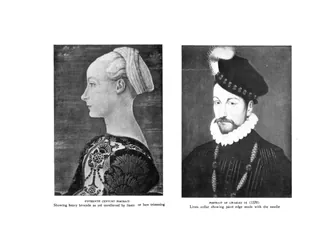
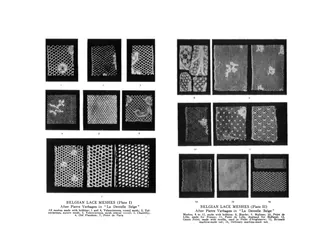
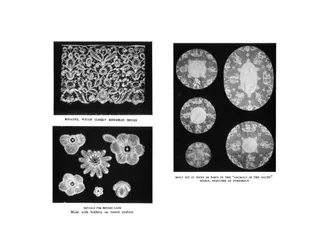
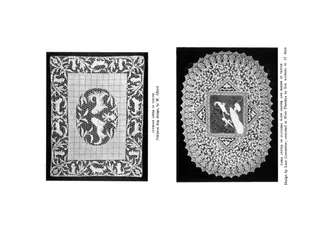
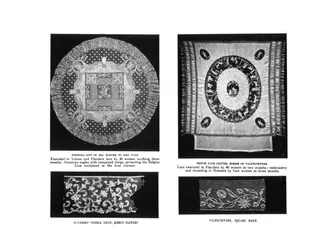
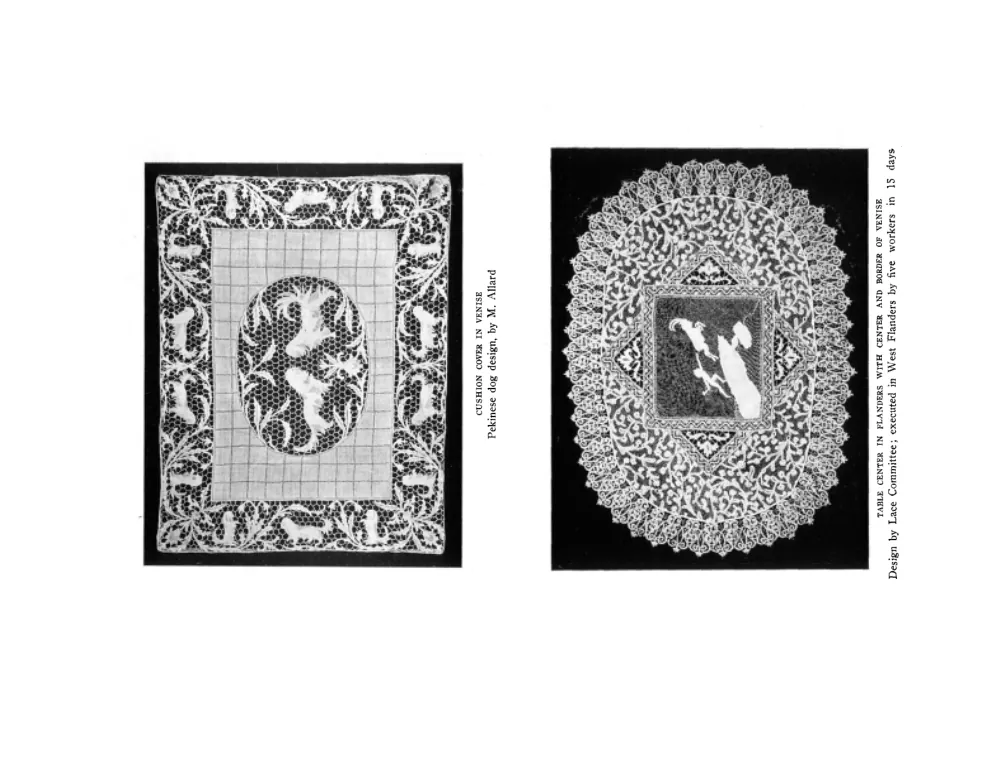
A 1920 account of Belgian lace, lace-workers, lace schools and lace villages by Charlotte Kellogg of the Commission for Relief in Belgium, based on her visits in the winter of 1918-1919. After a historical introduction to lace, chapters take up Turnhout, Courtrai, Thourout-Thielt-Wynghene, Grammont, Bruges, Kerxken, Erembodeghem, Opbrakel, Liedekerke, Herzele, Ghent and Zele. They describe the bobbin and needle laces made in each place (Point de Paris, Malines, Valenciennes, Cluny, Chantilly, Venise, Point de Flandres, Old Flanders), the schools, wages, wartime hardships and the work of the Brussels lace committee. An appendix describes needle lace and bobbin lace techniques and the interpretation of patterns, with sketches. Photographic plates show lace samples, mesh plates, lace schools and workers.
- Type
- Book
- Date
- 1920
- Language
- English
- Pages
- 170
- Archive notes
- 2-up. 170 document pages