Embroideries of Mary, Queen of Scots: Notes on the French Background
Sample pages
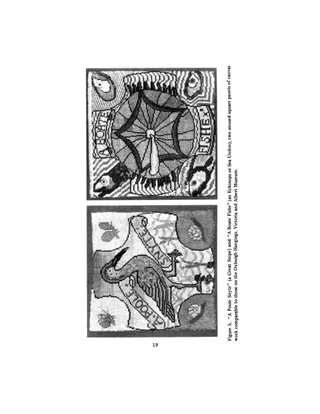
Page 17, at reduced quality. Open the document to read every page in full.
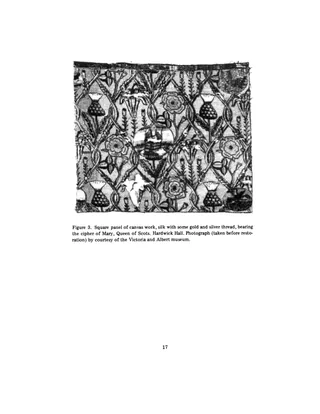
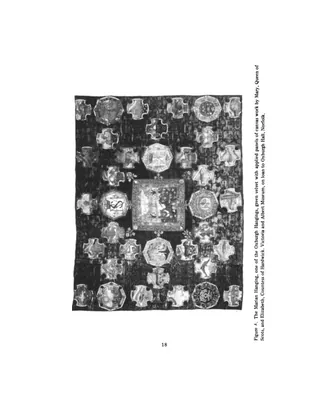
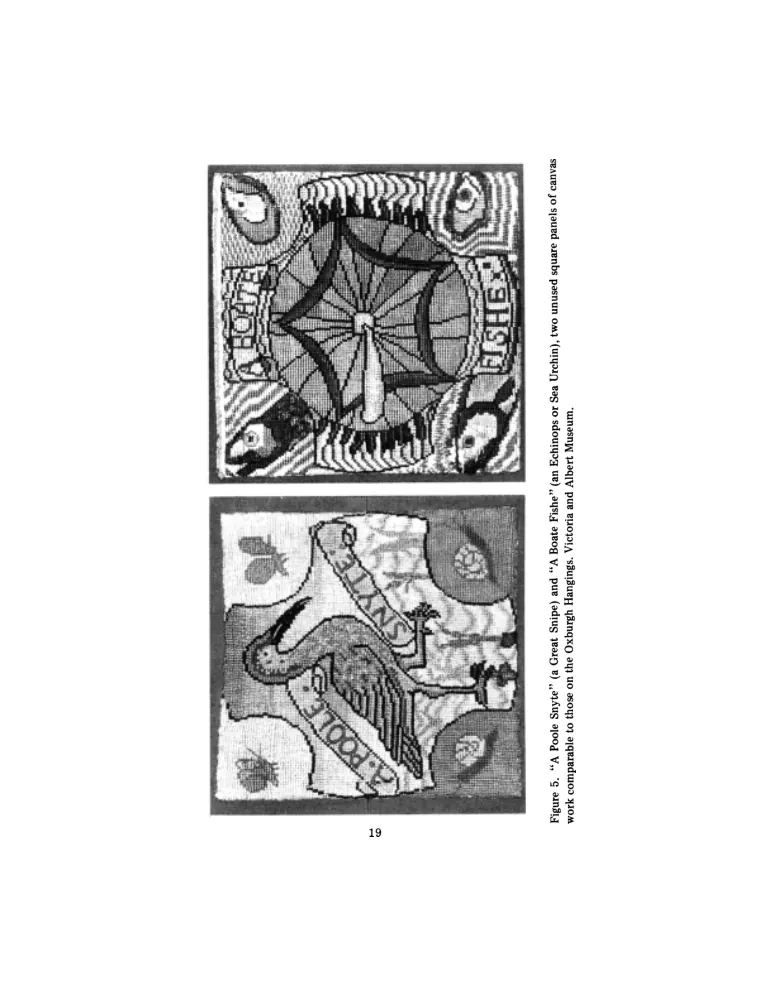
Patricia Wardle argues that the canvas-work embroideries Mary, Queen of Scots made during her English captivity grew out of French court tradition rather than English practice. She draws on the inventories of Catherine de Medici (1589), the Chartley Hall inventory of Mary's possessions (1586), and the French royal inventories of the 17th century. These document squares and panels of silk and gold canvas work applied to velvet and satin bed hangings. She links the Oxburgh Hangings to the French tapisserie de la Reyne Claude and related hangings, and notes that these old hangings were brought out in 1689 to furnish St. Germain-en-Laye for the exiled James II. Endnotes and five figures follow the text.
- Type
- Article
- Date
- 1981
- Language
- English
- Pages
- 18
(A free account is all you need)
From Ralph Griswold's Digital Archive, delivered by the University of Arizona.
Have missing pages or a better copy of this document, or another document to share? Contributing documents »