Textile Documents › Authors › Author: Patricia Wardle
3 documents found
Sort: 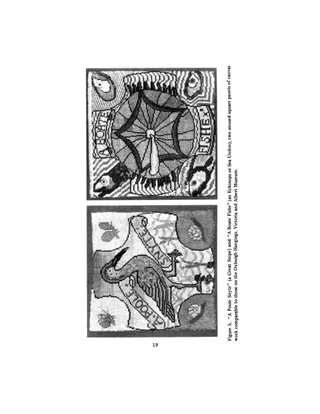
Embroideries of Mary, Queen of Scots: Notes on the French Background
Article · 18 pages
Patricia Wardle argues that the canvas-work embroideries Mary, Queen of Scots made during her English captivity grew out of French court tradition rather than English practice. She draws on the inventories of Catherine de Medici (1589), the Chartley Hall inventory of Mary's possessions (1586), and the French royal inventories of the 17th century. These document squares and panels of silk and gold canvas work applied to velvet and satin bed hangings. She links the Oxburgh Hangings to the French tapisserie de la Reyne Claude and related hangings, and notes that these old hangings were brought out in 1689 to furnish St. Germain-en-Laye for the exiled James II. Endnotes and five figures follow the text.
'Embroidery Most Sumptuously Wrought'; Dutch Embroidery Designs in the Metropolitan Museum of Art, New York
Article · 43 pages
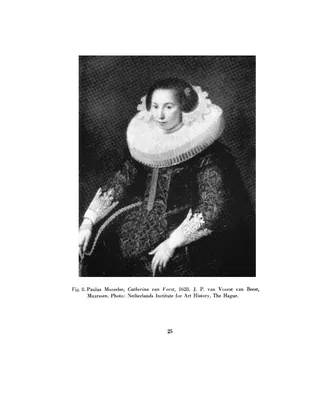
An article by Patricia Wardle on a seventeenth-century book of about 110 embroidery designs in the Print Room of the Metropolitan Museum of Art, New York. The designs cover stomachers, sleeves, gloves, caps, purses, knife-cases, pincushions and sword belts. Wardle dates the book to about 1626-38 and argues it is Dutch, by comparing the designs with embroidery in Dutch portraits by Hals, Mierevelt, Moreelse and others and with surviving gloves and purses. She also discusses fashion and sumptuary criticism, the chatelaine, black-embroidered caps, and the relationship between embroiderers and pattern-drawers. Many plates show pattern-book pages, portraits and surviving objects, and footnotes follow the text.
Needle and Bobbin in Seventeenth-Century Holland
Article · 26 pages
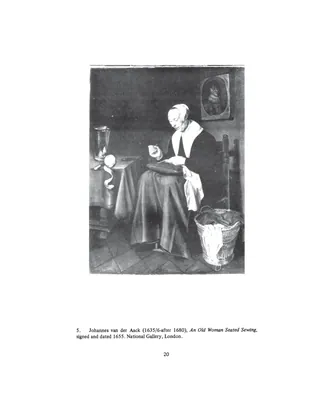
Patricia Wardle's article examines the linen seamstresses (linnennaaisters) of 17th-century Holland, who worked outside any guild making and finishing household and personal linen. Drawing on orphanage records, wage and price figures, inventories, and farces by Tengnagel, Bredero, Hooft and Starter, she describes their training, working conditions, and the stitches and techniques they used, including hemstitching, punch stitch, cutwork, whitework, eyelet work and linen marking. She also discusses the bobbin lace (speldewerk) made and taught in Holland, with lace pattern names from Tengnagel's play. Thirteen figures show Dutch paintings, an engraving, samplers, handkerchiefs, sheets and a pillowcase, with extensive footnotes.