The Tale of the Spinning-Wheel
Sample pages
Page 19, at reduced quality. Open the document to read every page in full.
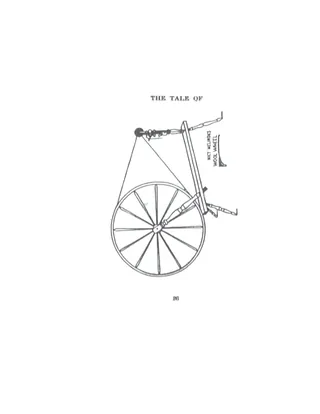
A 1903 illustrated essay, revised from a paper read to historical and patriotic societies, on the history and symbolism of the spinning wheel and women's spinning. It moves from ancient Egypt, Greece, Rome and Norse lands to colonial New England, covering the flax-to-linen process (breaking, swingling, hetcheling, spinning, reeling), wool carding, dyeing, spinning matches and women's work during the Revolution. Line drawings show distaffs, wool and flax wheels, hetchels, a clock reel, cards, shuttles and a tape loom, many from Litchfield, Connecticut collections.
- Type
- Monograph
- Date
- 1903
- Language
- English
- Pages
- 68
- Archive notes
- Scanned from microfiche
(A free account is all you need)
From Ralph Griswold's Digital Archive, delivered by the University of Arizona.
Have missing pages or a better copy of this document, or another document to share? Contributing documents »