Designing with Power Sequences
Sample pages
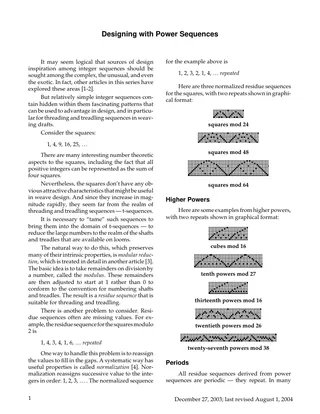
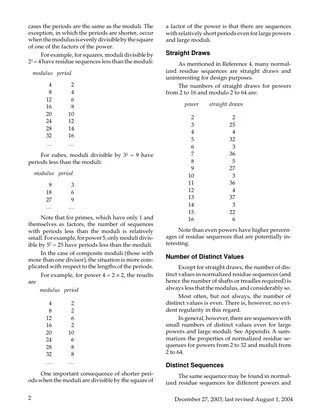
Page 1, at reduced quality. Open the document to read every page in full.
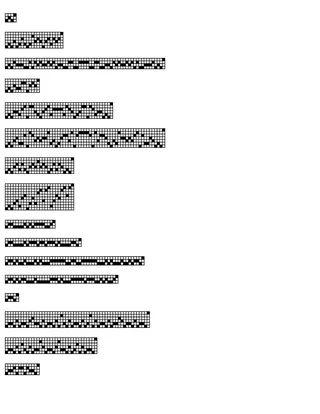
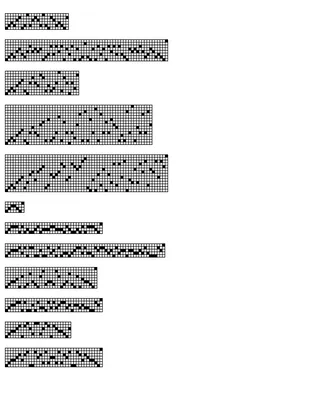
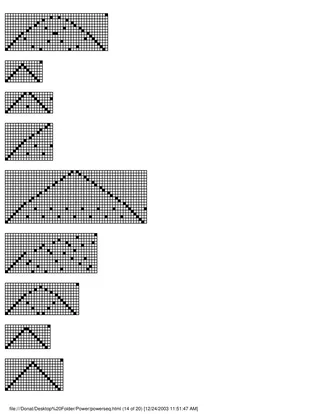
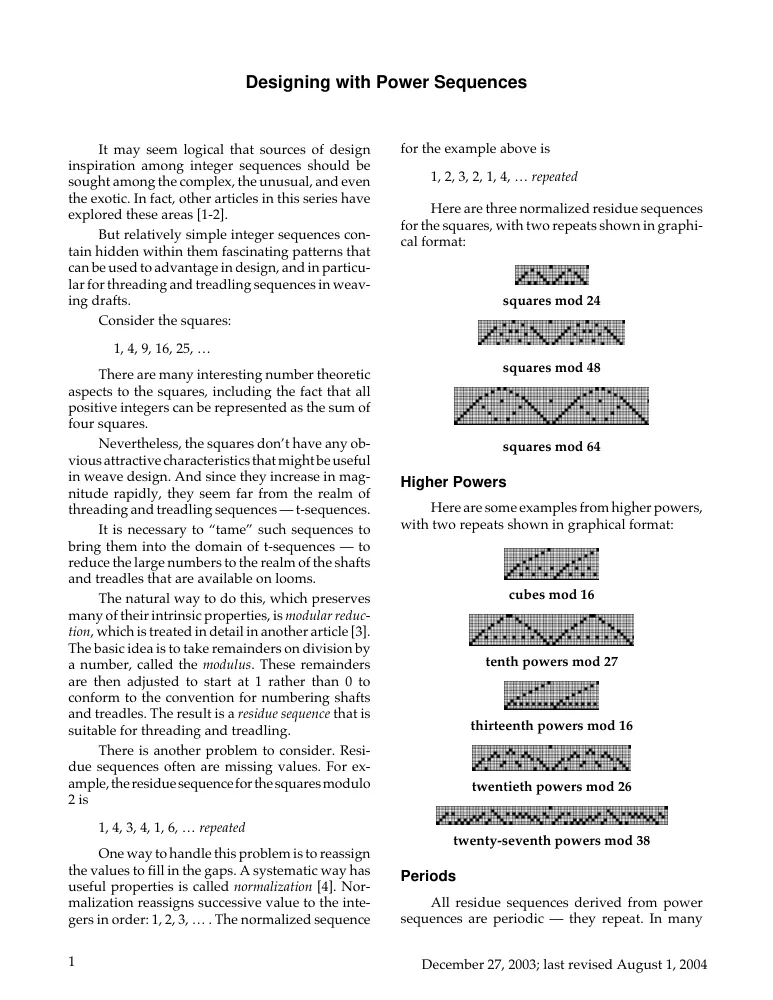
An article by Ralph Griswold on using power sequences (squares, cubes and higher powers) reduced by modular arithmetic and normalized to produce threading and treadling sequences for weaving drafts. It explains residue sequences, their periods, straight draws, and the number of distinct values (shafts or treadles needed). It counts distinct sequences for powers 2 to 32 and moduli 2 to 64. Appendix A tabulates the properties of the normalized residue sequences, and Appendix B is a long series of graphical drawdown-style bitmap patterns derived from them.
- Type
- Web Doc
- Date
- December 27, 2003
- Language
- English
- Pages
- 29
- Weaving drafts
- on 10 pages: 1, 6, 12, 15, 18, 19, 21, 23, 24, 29
- Archive notes
- Last revised August 1, 2004
(A free account is all you need)
From Ralph Griswold's Digital Archive, delivered by the University of Arizona.
Have missing pages or a better copy of this document, or another document to share? Contributing documents »