Textile Documents › Publications › Publication: The Repertory of Arts and Manufactures
26 documents found
Sort: 
Conclusion of Mr. Henry's Considerations Relative to the Nature of Wool, Silk, and Cotton, as Objects of the Art of Dying,
Article · 27 pages
Conclusion of Thomas Henry's essay on wool, silk and cotton as materials for dyeing, from the Repertory of Arts and Manufactures (1795). It finishes the step-by-step Turkey red (Adrianople red) process for cotton: galling, aluming with Roman alum and barilla liquor, maddering with sheep's blood, and the final nine-hour enlivening boil. Part Three then gives a chemical theory of mordants or bases, covering Hellot, Keir and Macquer on alum, the astringent principle of galls, animalizing cotton, and Henry's disagreement with Macquer about the alkaline mordant. It closes with remarks on black dyes made from iron and galls, including Lewis, Percival and the Dijon Academicians.
Considerations Relative to the Nature of Wool, Silk, and Cotton, as Objects of the Art of Dying, Part 1
Article · 20 pages
First part of Thomas Henry's memoir, reprinted from the Manchester Literary and Philosophical Society, on the nature of wool, silk, and cotton as materials for dyeing. It opens with a short history of dyeing (Egyptians, Phoenician and Tyrian purple, early English dyeing and a 1596 dyeing tract). It then reviews theories of why fibres take dye differently, namely pore structure versus chemical attraction, and reports Neumann's and Berthollet's chemical analyses of wool, silk, and cotton. It ends at the start of the discussion of scouring wool, and is to be continued.
Considerations Relative to the Nature of Wool, Silk, and Cotton, as Objects of the Art of Dying, Part 2
Article · 18 pages
Continuation of Thomas Henry's 1795 paper on the chemistry of dyeing, covering the preparation of silk, cotton and linen before dyeing. It describes degumming silk with soap or alkaline solutions and sulphur bleaching, and alkaline boiling, souring and bleaching of cotton and linen. It then classifies colouring substances into three groups by how they attach to cloth, and discusses phlogiston versus antiphlogistian explanations of colour. The second part begins the discussion of mordants, which Henry proposes to call bases, naming alum and tin solutions as the principal white bases; it ends with "to be continued."
Considerations Relative to the Nature of Wool, Silk, and Cotton, as Objects of the Art of Dying, Part 3
Article · 16 pages
Third installment of Thomas Henry's essay on wool, silk and cotton as materials for dyeing. It discusses mordant bases: alum, tin, copper, lead and iron salts, and how each is used for wool, silk and cotton, including the calico printer's aluminous liquor made from alum and sugar of lead. It then begins a detailed, step-by-step account of the Adrianople (Turkey) red process on cotton, covering barilla leys, oil and sheep's dung liquors, and galling, and breaks off after the ninth operation with the note that it will be concluded in the next issue.
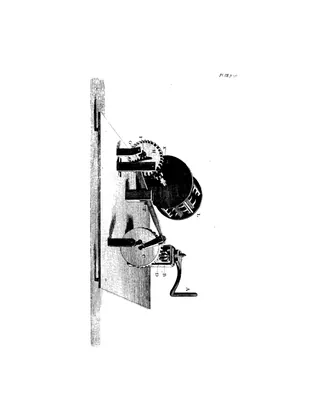
Description of a Machine for Twitching Wool
Article · 5 pages
A 1794 article from The Repertory of Arts and Manufactures describing Hugh Hughes's machine for twitching (opening and loosening) wool, a task formerly done by hand with rods or in gigging mills. It includes extracts from two letters by Hughes, mention of certificates from users, and a lettered description of the crank, gear and flier mechanism, which can be driven by hand, horse, water or wind. An engraved plate shows the machine.
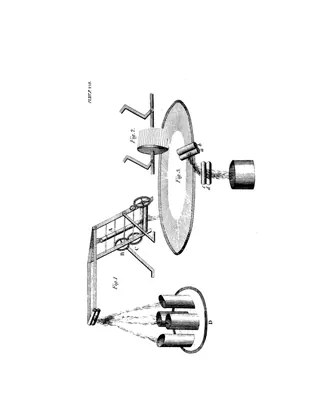
Description of a Patent Machine for Combing Wool
Article · 7 pages
Edmund Cartwright describes his patented machine for combing wool mechanically, in place of hand-combing. He discusses the economic importance of the invention, the opposition from wool-combers and the rejected parliamentary bill, his three patents of 1790 and 1792, and the labor and cost savings. The article ends with a specification of the machine's parts (crank lasher, circular clearing comb, comb-table with drawing rollers), keyed to an engraved plate.
Experiments on the Comparative Effects of Solutions of Magnesia, of Calcerous Earth, and of Alum, in Dying Cloths of Various Kinds with Madder
Article · 4 pages
A short 1798 report of experiments comparing magnesia, calcareous earth (lime) and alum, each dissolved in sulphuric, nitric and muriatic acids, as mordants for dyeing wool, silk, linen and cotton with madder. Wool and silk took a brown color and linen and cotton a pale red. The author found alum gave brighter, finer colors than the other earths, so it should be preferred. He also suggests testing barytes and manganese, which he could not try.
Extract of a Memoir on the Cultivation of the Indigo-Plant, and the Preparation of Indigo
Article · 5 pages
An 1802 extract of a memoir by Citizen Brulley, read at the Lyceum of Arts, on growing the indigo plant and making indigo. It describes the species of indigo plant and the French colonial practice of mixing indigo-franc and wild indigo seed. It then gives the vat process for extracting the dye: maceration, the test for when it is complete, beating in a second vat, and draining and drying the paste. It credits a St. Domingo planter, Nazon, with a method meant to prevent failed vats.
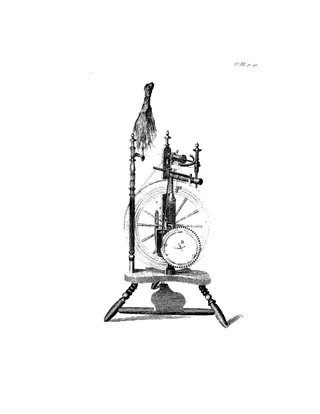
Method of Causing the Bobbin of the Common Spinning-Wheel to Move Backward and Forward
Article · 5 pages
An 18th-century article describing John Antis's improvement to the common spinning wheel, which moves the bobbin backward and forward so the thread need not be shifted between staples on the flyer. It reproduces his introductory letters and a mechanical description of the gearing: a pinion on the great wheel axle, a 97-tooth wheel, an oblique wire ring, a lever, a sliding bar and a weight. An engraved plate with lettered parts accompanies it. The invention won a premium of twenty guineas from the Society for the Encouragement of Arts, Manufactures, and Commerce.
Observations of the Effect of Mordants in Dying Cotton Red
Article · 8 pages
An 1799 article by J. A. Chaptal, translated from the Annales de Chimie, that applies chemical principles to the traditional process of dyeing cotton Adrianople (Turkey) red with madder. It examines the three main mordants (oil, galls and alum): how the oil is emulsified with barilla or potash lye, what galling does, and how alum fixes the color. It gives practical rules, such as the choice of oil and barilla, hot gall decoction, quick drying in dry weather, and the proportion of galls to soap.
On the Means of dying Linen and Cotton a beautiful, deep, and lasting black Colour
Article · 9 pages
An 1798 article from The Repertory of Arts and Manufactures, translated from Crell's Chemical Annals, in which Mr. Vogler of Weilburg describes a five-step process for dyeing linen and cotton a deep, lasting black. The steps are a mordant of litharge dissolved in nitric acid (aquafortis) followed by a glue-water dip, a gall decoction with salt, a copperas (iron vitriol) bath, a logwood and starch decoction, and a final fixing bath of galls, glue-water and copperas. It also gives substitutes for galls, notes on preparing yarn and skeins, and advice on vessels.
On the Use of Oxides or Calces of Iron in Dying Cotton
Article · 11 pages
An 1799 article by J. A. Chaptal, translated from the Annales de Chimie, on using iron oxides to dye cotton. It describes how cotton takes up iron from solutions in various acids to give buff, ochre and rust colours, and Chaptal's method of soaking in green vitriol, then potash and alum, for a softer, durable yellow. It also covers combining iron with madder for violet and purple on cotton prepared for Turkey red, using astringents and galls to obtain browns, greys and blacks, and why galls cannot be replaced by sumach or bark on cotton.
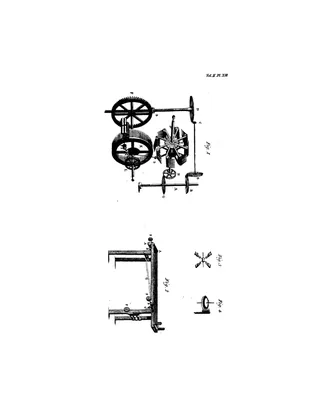
Specification of Messrs. Henry Wright and John Hawksley Patent for Machinery for Combing Wool &c.
Article · 7 pages
Reprint of the 1793 patent specification of Henry Wright and John Hawksley of Arnold, Nottinghamshire, for machinery to comb and prepare wool, cotton, silk, flax, hemp and mohair for spinning. The text describes the machines part by part, giving gear and cog counts, the comb-wheel and combing cylinder, a feeding frame with linen cloths and rollers, a brush for removing noils, and a second machine with a straight range of combs. Two engraved plates (XIII and XIV) illustrate the figures.
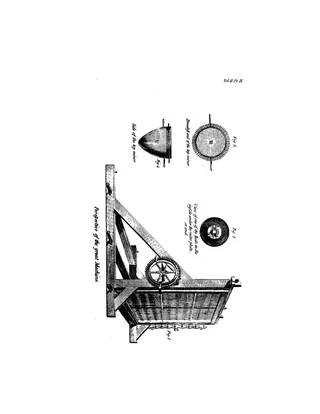
Specification of Mr. Belfour's Patent for Making Ropes and Cordage
Article · 35 pages
Patent specification, dated March 16, 1793, from John Daniel Belfour of Elsinore, Denmark, for a machine that makes ropes and cordage. Each rope yarn is wound on its own spring-controlled reel mounted on spindles in a large frame, so every yarn stays tight and bears an equal share of the strain when the strand is twisted. The text describes the great frame, reels, grate-work, driving wheel, a separating machine, the "top minor" (a conical guide), and nippers, with dimensions for a 22-inch cable. Three engraved plates (IX-XI) show the machines.
Specification of Mr. Eckhardt's Patent for Cloth Hangings Resembling Damask, Lace, &c.
Article · 3 pages
Specification of a British patent (dated April 30, 1793) granted to Francis Frederick Eckhardt of Chelsea for preparing linen and cotton cloth as wall hangings. The cloth is stretched on a frame and filled with a flour or starch paste mixed with wax, then coated with water-colours and sized. Ornaments in gold, silver or colours are printed or gilded on to imitate damask, lace and silk stuffs, and the surface is varnished so it can be washed. This is a printing and finishing process, not a woven structure.
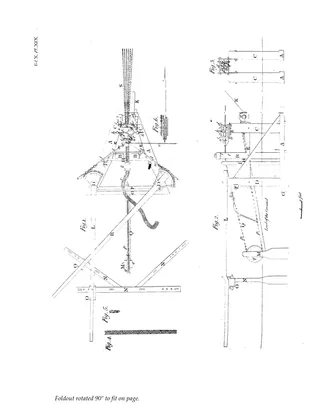
Specification of the Patent Granted to John Curr for a Method of Forming and Making a Flat Rope
Article · 7 pages
Text of the 1798 patent granted to John Curr of Sheffield for making a flat rope by sewing, stitching, or lapping two or more small ropes side by side with thread, small rope, or wire. It was intended for hoisting coal, minerals, and water out of mines. The specification describes a lever-operated machine with piercing needles and squeezing rollers, and a hand method of lapping. A foldout plate (Figs. 1-6) shows the machinery.
Specification of the Patent Granted to Mr. George Jeffreys for a Method of Dying Woollen Cloths, Stuffs, and Other Materials ...
Article · 15 pages
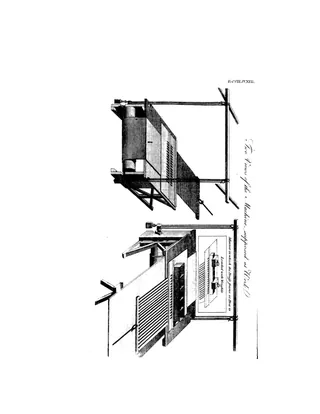
Text of George Jeffreys' patent (dated March 18, 1791) for a resist method of dyeing woollen cloths and stuffs in stripes, figures and patterns. A hot composition of powdered tobacco-pipe clay and tallow is applied through perforated brass grates to keep chosen areas from taking dye, and is later removed with fuller's earth. The text describes the brass grate, sliding frame and a machine for striping whole lengths of cloth, plus a frame for holding the cloth in the dye kettle. Two engraved plates (XVI and XVII) illustrate the apparatus.
Specification of the Patent granted to Mr. James Mitchell for a Method of Manufacturing Cables, Hawsers, or Shroud-Laid Ropes, and Other Cordages, on a Scientific Principle
Article · 8 pages
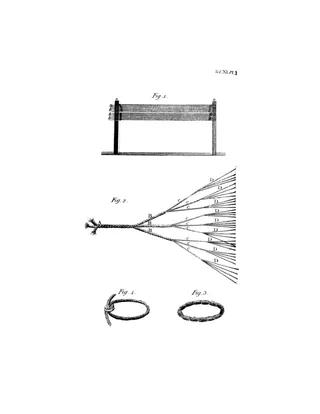
Text of James Mitchell's 1792 English patent for making cables, hawsers and shroud-laid ropes by subdividing the cylindrical twists into many smaller 'selvagee' twists so that all yarns bear load more evenly. It explains the flaw Mitchell saw in conventional rope construction, the procedure for turning and uniting the subdivided twists, and the resulting strand counts for cable-laid and hawser-laid cordage. A plate with four figures illustrates the parallel-stretched twists, the finished cable, and marled and hand selvagees.
Specification of the Patent Granted to Mr. John Hawksley for Certain Improvements and Additions to Machinery for Combing Wool, Cotton, Silk, Flax, Hemp, and Mohair
Article · 6 pages
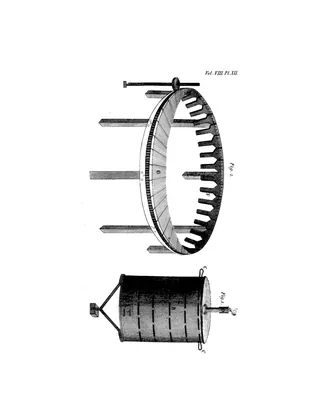
Specification of John Hawksley's 1797 English patent for improvements to wool and fibre combing machinery, as printed in the Repertory of Arts and Manufactures. It describes a circular revolving comb-pot (stove) for heating combs, a lapper or layer-on for feeding wool onto the combs, and holsters for holding the combs while the wool is drawn off. It builds on his earlier 1793 combing machine patent. Two plates of engraved machinery diagrams accompany the text.
Specification of the Patent Granted to Mr. John Kendrew and Mr. Thomas Porthouse for a New Mill or Machine, Upon New Principles, for Spinning Yarn from Hemp, Tow, Flax, or Wool
Article · 6 pages
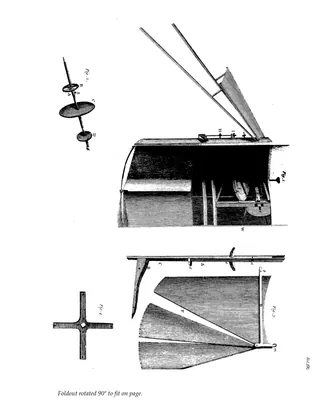
Patent specification (dated June 19, 1787, term expired) for a water- or horse-powered machine for spinning yarn from hemp, tow, flax, or wool. It was granted to John Kendrew, an optic glass-grinder, and Thomas Porthouse, a clockmaker, both of Darlington, County Durham. The text describes a large leather-covered cylinder with weighted pressing rollers, fluted drawing rollers, and a revolving cloth for feeding fibre. Together these produce a continuous sliver that is drawn finer in successive machines and then spun. A plate of patent drawings shows the frame and spindle assemblies.
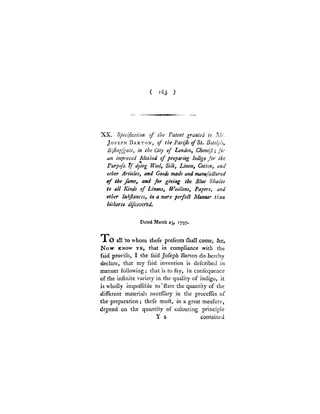
Specification of the Patent Granted to Mr. Joseph Barton for an Improved Method of Preparing Indigo for the Purpose of Dying Wool, Silk, Cotton, and Other Articles
Article · 2 pages
Two-page specification of an English patent dated March 25, 1797, granted to Joseph Barton, a London chemist, for an improved method of preparing indigo for dyeing wool, silk, linen, cotton and other goods, and for giving blue shades to linens, woollens and papers. The text explains that quantities cannot be fixed because indigo varies in quality. It describes grinding the indigo finely, dissolving it in acid or alkaline solvents, adding tin, iron, zinc or alum as a fixing base, and neutralizing excess solvent so the colour stays durable and bright.
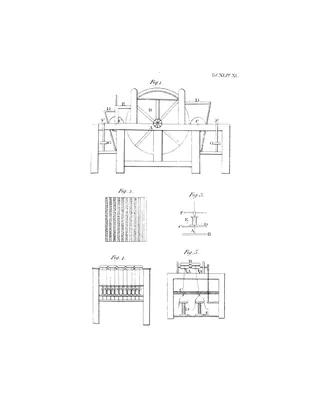
Specification of the Patent granted to Mr. Richard Varley for his Improved Method of Carding, Roving, and Spinning Cotton, Wool, and Silk
Article · 5 pages
Text of the 1796 patent specification of Richard Varley of Bolton-in-the-Moors, Lancashire, for machinery to card, rove, and spin cotton, wool, and silk. It describes a main carding cylinder with two doffing cylinders covered in striped leather cards, doffing knives, a feeder, and drawing rollers. It also covers the spindles, flyers, lifters, bobbins and springs of the roving and spinning frame. A plate with five figures of the machinery accompanies the text.
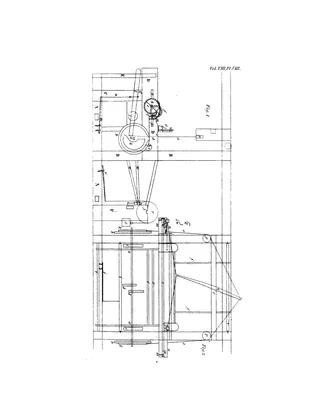
Specification of the Patent Granted to Mr. Robert Miller for a Method of Weaving All kinds of Linen, Cotton, Woollen, and Worsted Cloths
Article · 9 pages
Text of the 1796 patent specification of Robert Miller, a calico-printer at Milton Printfield, Dumbarton, Scotland, for a water-powered loom (also adaptable to steam, horse or other power) for weaving linen, cotton, woollen and worsted cloths. It describes the loom frame, the spindle with grooved sheave, wipers and treadles, the ratchet take-up of the cloth, the shuttle-driving cords and fly-pin, and a safety device that stops the loom if the shuttle fails to pass. Two engraved plates (VIII and IX) show side and front views of the loom mechanism.
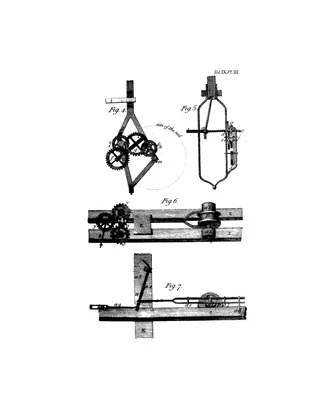
Specification of the Patent Granted to Mr. William Chapman for a Method of Laying, Twisting, or Making Ropes and Cordage
Article · 48 pages
Specification of William Chapman's 1798 patent for machinery that lays, twists and coils ropes and cordage in a single operation, replacing the traditional rope-walk with sledge and top. It describes strand-shafts, rope-shafts, laying-blocks, press-blocks, holding-rollers, twisting-sheaves and coiling reels or stages, for both shroud-laid and cable-laid ropes and for twine. It also covers a method of tarring and winding yarns separately. Four engraved plates of machinery (Figs. 1-13) accompany the text.
Specification of the Patent Granted to Mr. William Gillispie for his Invention of an Improved Method and Process of Printing, Colouring, or Staining Linens, Calicos or other Cloths
Article · 6 pages
Text of the 1799 patent specification of William Gillispie, a calico-printer of Anderston near Glasgow, for a method of printing coloured cloths with white or multicoloured figures on coloured grounds. The cloth is first impregnated with a mordant, then printed with a vegetable acid to discharge the mordant where white is wanted and with other mordants where other colours are wanted, and finally dyed. The process is described in general terms and then as a detailed working sequence, ending with rinsing, bran cleaning and an oxygenated muriatic acid (chlorine) treatment.
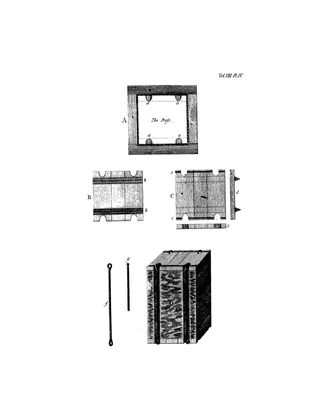
Specification of the Patent Granted to Mr. William Sabatier for his Inventions of Certain Improved Methods of retaining Cotton, Tobacco, Hemp, Flax, Hops, Hay and Other Articles
Article · 7 pages
Specification of William Sabatier's English patent of July 4, 1796, for keeping compressed cotton, tobacco, hemp, flax, hops, hay and similar goods from expanding after they leave the press. It explains the principle that pliable materials resist force along their length better than from the side, and describes a box press, end boards, iron links and bolts that hold the bale in shape. The text describes how to make a bale and refers to a plate showing the press and parts. It was printed in the Repertory of Arts and Manufactures, Vol. 8.
26 documents found