Ragusa: The Mystery Spot in Lace-History
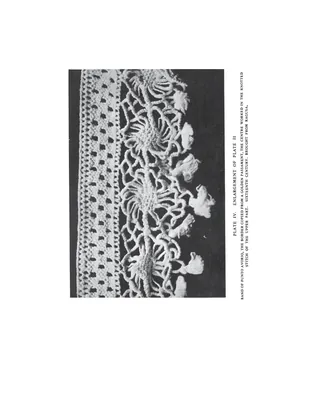
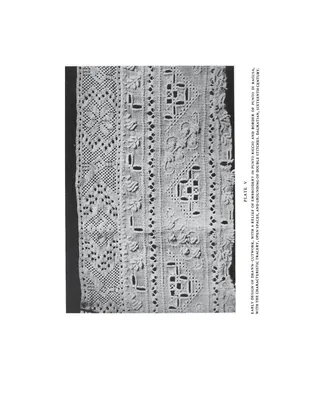
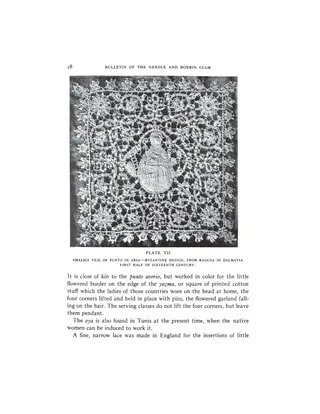
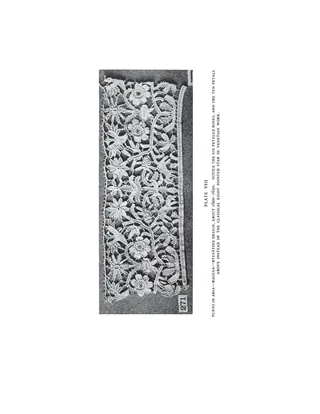
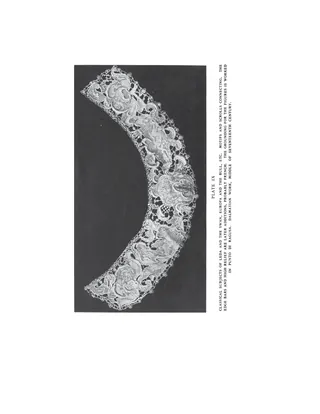
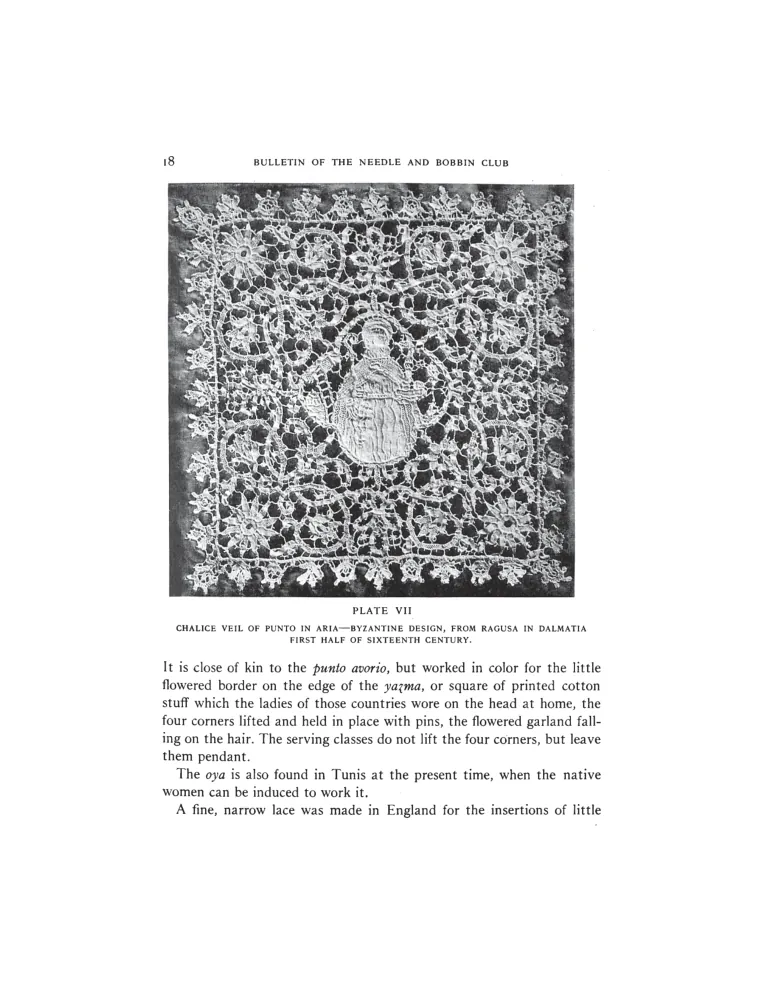
An article by Margaret Taylor Johnstone asking what the lace of Ragusa (Dubrovnik, Dalmatia) actually was, given its fame in France and its scant mention in Italy. She argues that a group of needle laces, mostly in the Metropolitan Museum of Art, should be reassigned from Italy to Ragusa. Her marks of Ragusan work are the knotted punto avorio and punto di Ragusa stitch, Byzantine designs, a double-stitch ground, and rosaces with five, six, ten, twelve or sixteen petals rather than Venice's eight-pointed star. She sorts the laces into four historical groups from the 16th to the early 18th century, from geometric cutwork-like work to grounded laces. She also describes the stitch (after Dillmont), its survival at Parre and Valle Vogna, and related oya lace. Eleven photographic plates illustrate specimens.
- Type
- Article
- Date
- 1926
- Language
- English
- Pages
- 18