Textile Documents › The Story of Ralph Griswold's Digital Archive
How it began
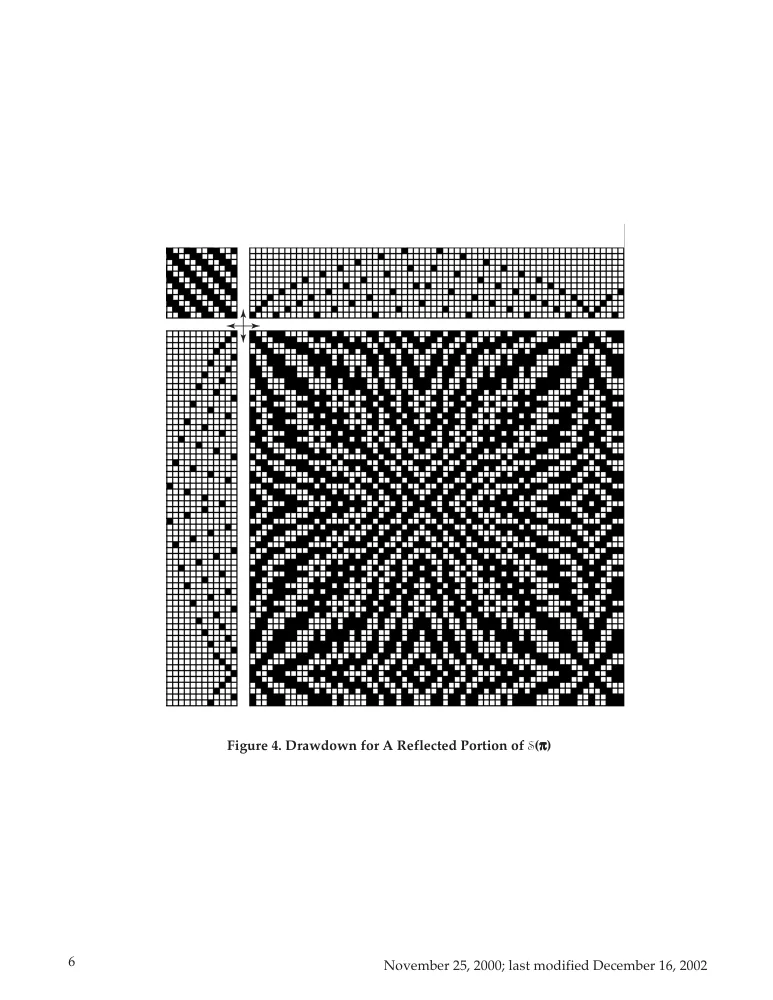
Ralph Griswold founded the computer science department at the University of Arizona, and is known to programmers around the world for the languages he created, SNOBOL and Icon. Later in life he became fascinated by weaving, especially its patterns and the mathematics hidden in cloth.
In 1999 he began what he called the On-Line Digital Archive of Documents on Weaving and Related Topics, known to many weavers simply as the Griswold Archive. Its purpose, in the words of those who worked with him, was "preserving important documents relating to weaving, textiles, lace, etc., and making them freely available to the world via the Internet."
The documents came from many sources. Most were out-of-print books, periodicals, pamphlets, patents, and manuscripts, scanned page by page or photographed. Some, including many of Ralph's own monographs on weaving, were written for publication online. Ralph took great care that every document was either out of copyright or shared with the permission of its author or publisher, and he would remove anything if asked. He kept a page of recent additions each month, and the archive grew steadily for years.
For weavers who remembered how hard these works once were to find, the archive opened up the world.
Lace, and Tess Parrish
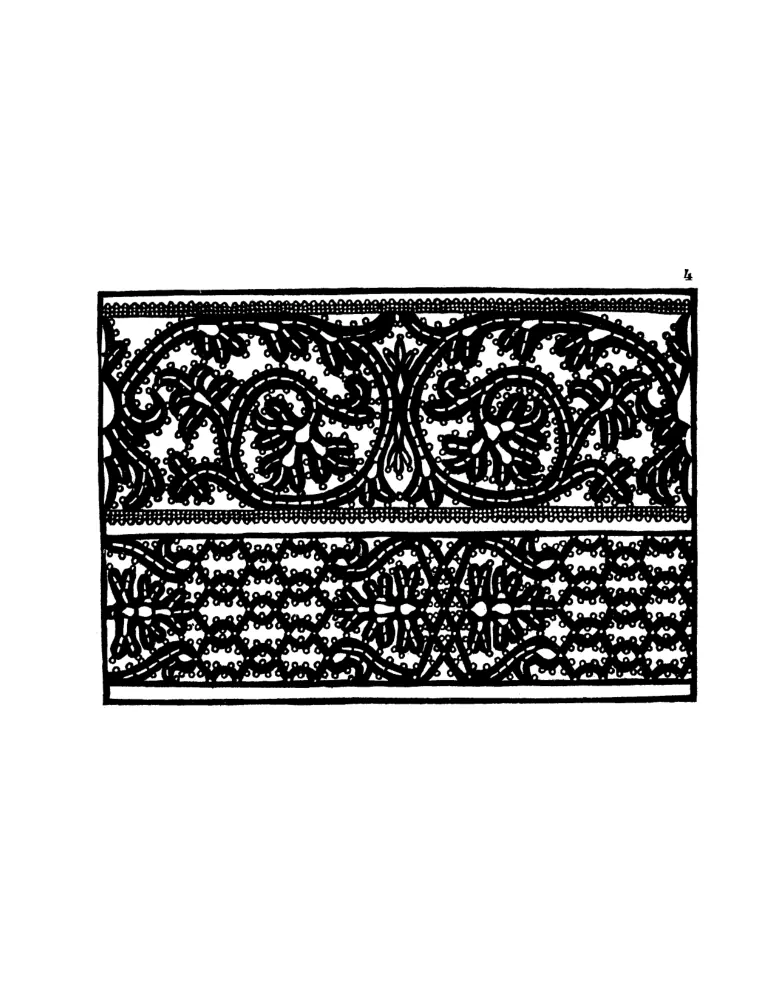
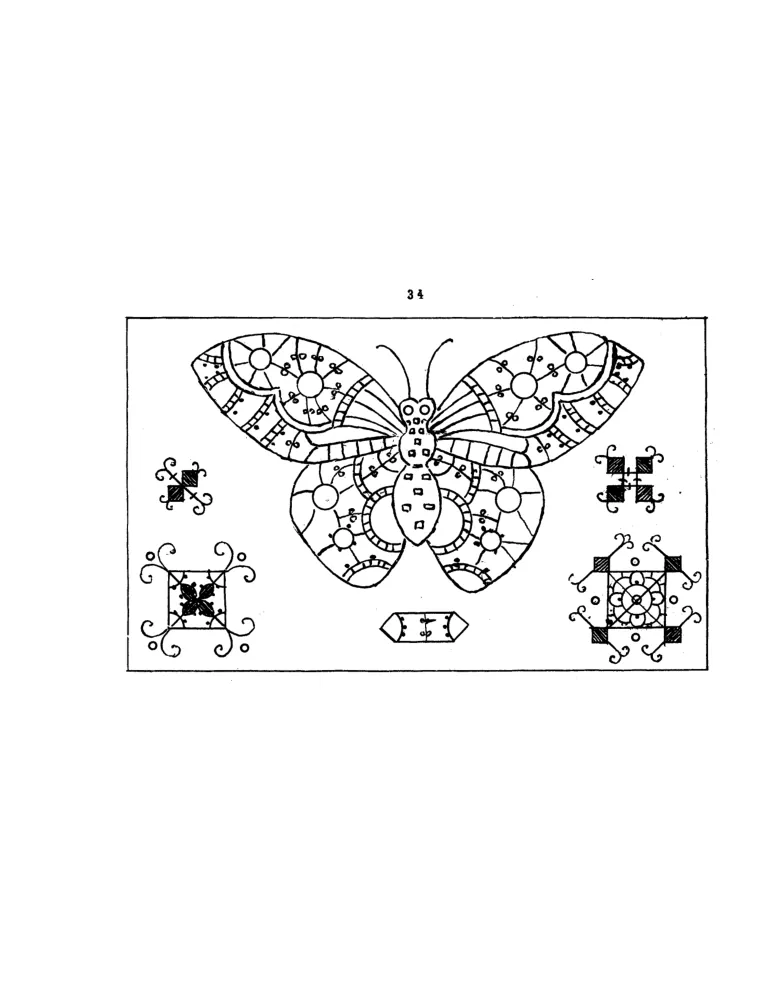
Along the way Ralph met Tess Parrish, a lacemaker in Maine, and the archive took on a whole new collection. Over about five years, Tess found lace books and documents, paid to have many of them scanned, and trained volunteers as far away as France to help. Ralph affectionately called lacemakers "arachnids."
The lace documents were also published as a series of eight CDs. Tess and the volunteers finished the last two in October 2007, timed to honor the first anniversary of Ralph's death and, in Tess's words, to finish "things as he had wanted." Lacemakers around the world have used the archive ever since, and some have recreated lace from the patterns in its pages.
The people who helped
Ralph never sought the spotlight, and the archive was never his alone. John Cropper, who had worked on the computer science department's systems staff and went on to assist Ralph with the archive, scanned a great many of the documents and kept the archive going after Ralph's death.
Marg Coe, a well-known weaver and a friend of Ralph's, advised and helped from early on, along with Ruth Blau and others. Gregg Townsend, Ralph's longtime friend and colleague in the computer science department, worked closely with him for many years, and Ralph credited him with invaluable help on the mathematical and computational side of his weaving work.
Volunteers in the United States, England, and France contributed their time, and authors and publishers shared their own work.
Peter Collingwood himself contributed The Techniques of Rug Weaving, still one of the most popular books in the archive. Many other authors made the same choice, letting their copyrighted books and articles be read freely by weavers everywhere.
Ralph and Handweaving.net
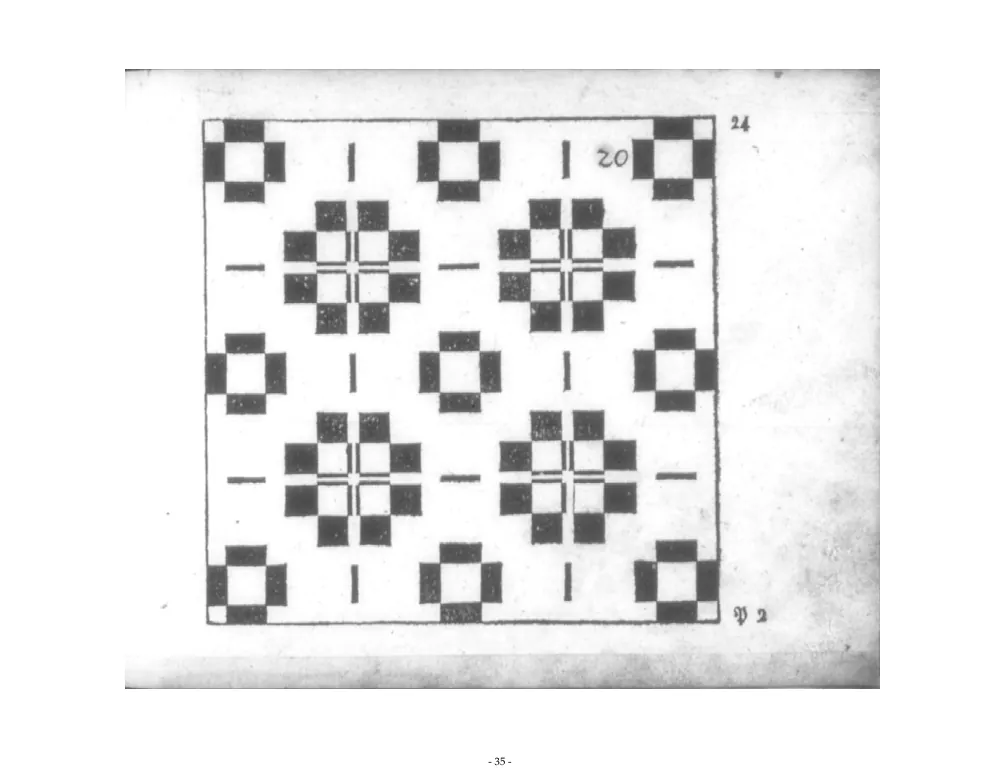
Around the turn of 2004, while Kris Bruland was searching the web for weaving patterns as he started Handweaving.net, he kept finding results from Ralph's archive. He wrote to Ralph to ask whether he could use the scanned pattern books to make drafts for the site, and to his great surprise Ralph answered almost immediately, and enthusiastically. The two became close friends, writing to each other nearly every day for more than two years about weaving and software. Ralph shared scans of old pattern books, created collections of his own drafts for the site, and gave advice to Kris on designing and creating the specialized software that turns pictures of old drafts into complete weaving drafts. Tens of thousands of drafts on Handweaving.net come from documents in his archive.
As the archive grew, new documents were sent regularly to Handweaving.net so they could be shared freely there as well. Shortly before he passed away in October 2006, Ralph asked Kris to make his archive part of Handweaving.net so it would be preserved and remain freely available. Continuing the work mattered deeply to him. Through John, Kris sent word that he would "do my best to make his work available to others and to add to it." After Ralph was gone, his volunteers kept scanning and sending new material for another year.
The archive today
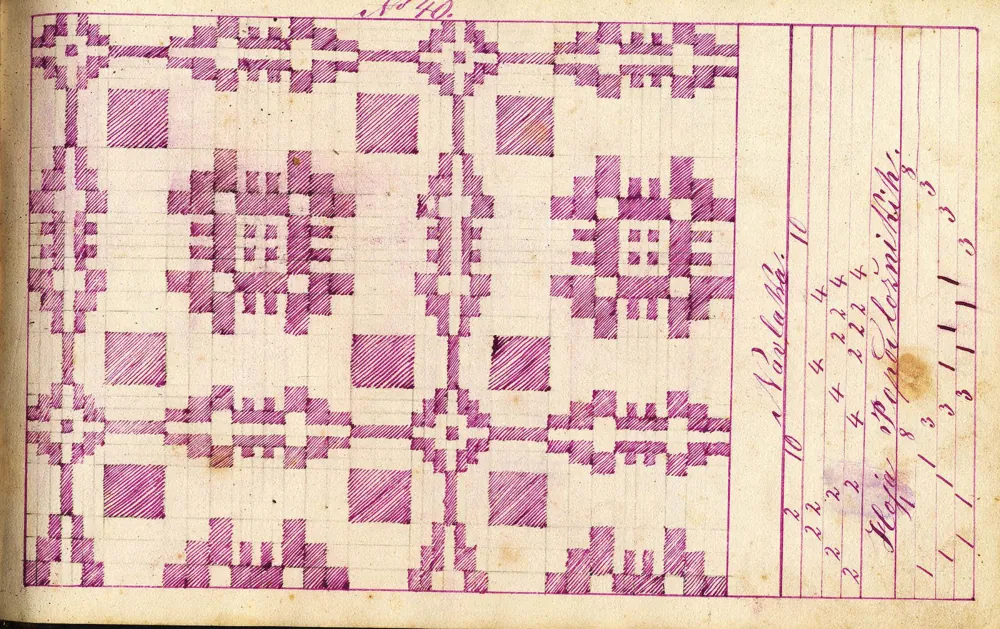
Ralph's original site is still online at the University of Arizona Department of Computer Science, much as he left it, and the university still delivers the document files for both his site and this one. Handweaving.net is most grateful for their long support of Ralph's work.
Here on Handweaving.net in late 2026, the archive has been rebuilt from the ground up. Until now, nearly every document was a set of scanned pictures of its pages, and the only way to find anything was by its title and a few catalog details. Now every one of its more than 175,000 pages has been read and transcribed, so every word on every page can be searched! Each document also has an English summary and topics, foreign titles have English translations, the catalog details have been carefully reviewed and corrected, and every page with a weaving draft is listed. You can search the whole collection in the words you'd use today, not only the spellings of a century or two ago, and search inside any document to go straight to the pages you need.
And as Ralph hoped, it is still growing here. New documents are contributed to Handweaving.net, some of them available nowhere else, and they appear under Recent Additions, much as they once did on Ralph's monthly pages.
If you have old documents on weaving, lace, or textiles that you would like to share, we would love to hear from you: see Contributing Documents.